
LEAP–Blue Earth Area’s Gifted and Talented Program
Teacher: Rachel Petersen
What if learning felt more like an adventure than an assignment? That’s exactly what happens in LEAP, Blue Earth Area’s Gifted and Talented Program. Curious minds get to explore big ideas, take risks, and stretch their creativity in ways that make learning exciting.
To qualify for the LEAP program, students take the CogAT test at the end of second grade. This is not an IQ test, nor does it test what students have learned in school; instead it tests how their brains work. A high score indicates a strong ability to reason and solve problems.Students who qualify for LEAP are invited to participate in grades 3-7.
There is no set curriculum for Gifted and Talented programs in Minnesota, so that leaves a lot of flexibility to find incredible, creative, challenging projects that lead to exciting experiences in the LEAP classroom.
The atmosphere in LEAP is intentionally different. Without grades, homework, or tests, we can play with ideas, take risks, and we can celebrate mistakes because that’s where the best learning happens. The goal is to create an environment where students feel safe to think big, be themselves, and stretch their minds in ways they might not get to elsewhere. The ideal outcome is that students fall in love with learning new things, and to develop the skill to work through challenges in spite of frustrations. One of the best moments in any LEAP class is when students are finding a task difficult, and then they say, “Oh, I get it!”
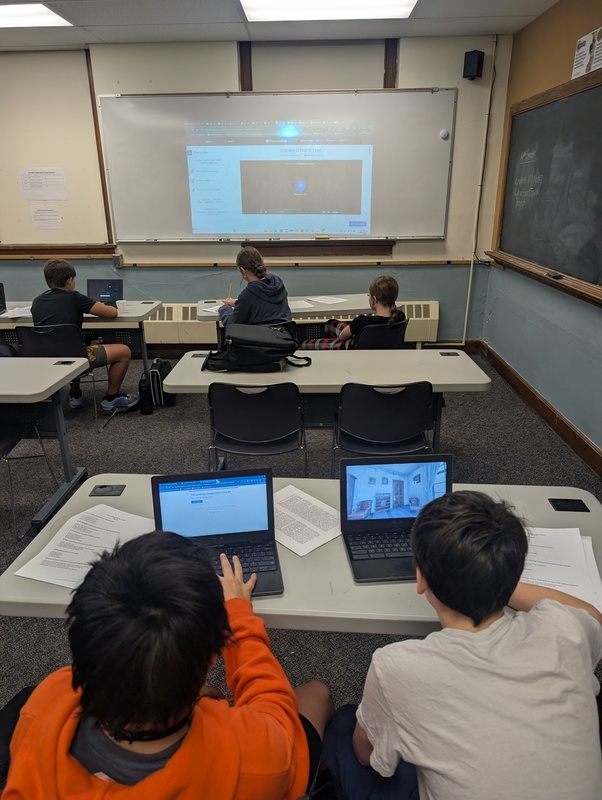
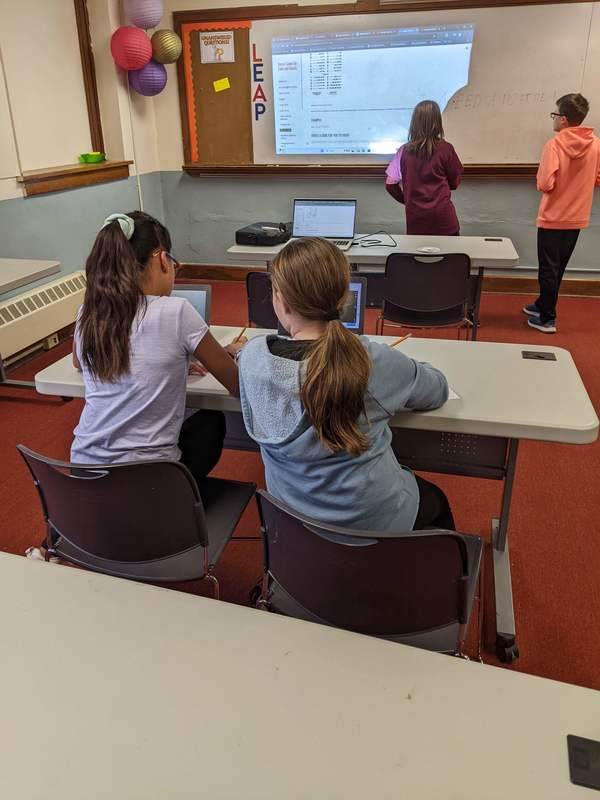
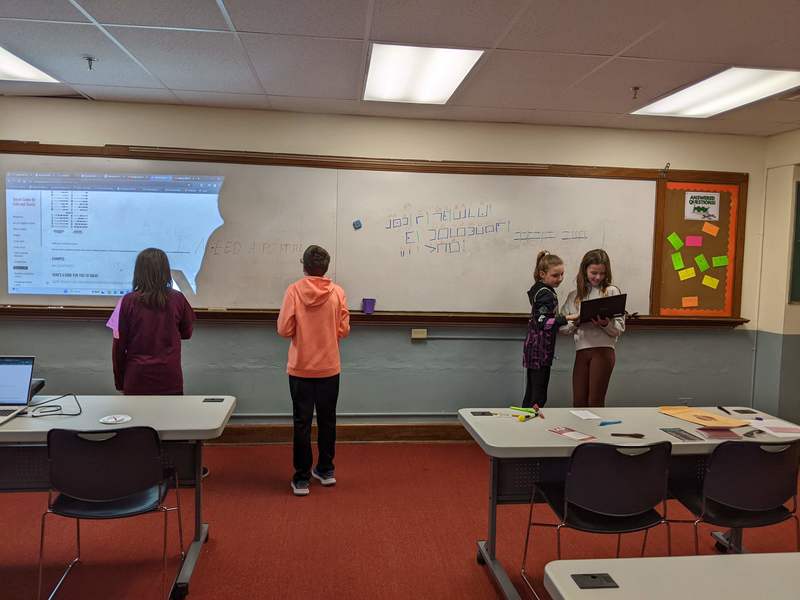
“LEAPlings” meet once per week for about 45 minutes. Our lessons include logic puzzles, escape rooms, and project-based learning activities like designing a haunted house and designing a food truck. These projects are packed full of practical math opportunities, creative tasks, and opportunities to be challenged.
Other favorite LEAP projects and activities include:
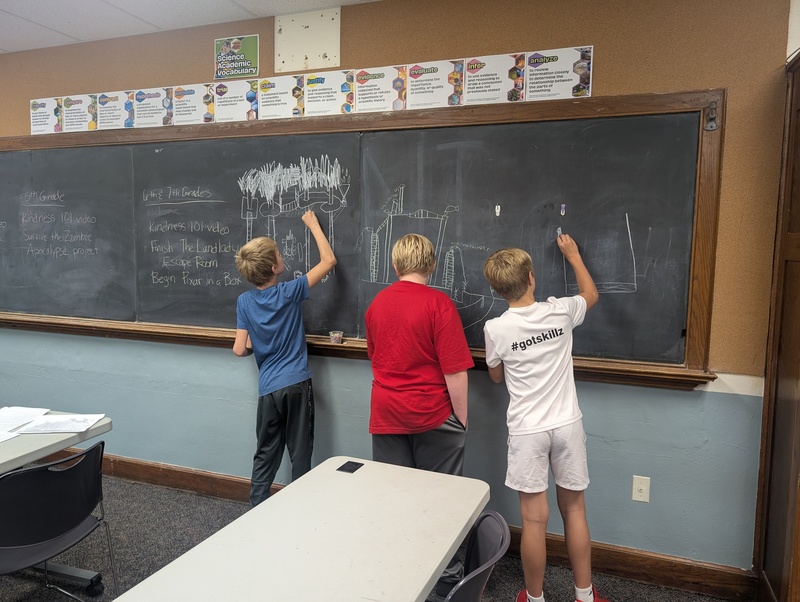
Surviving the Zombie Apocalypse–In the event of a zombie apocalypse, and without access to fuel or electricity, each team must find a location in the U.S. (using maps covering everything from precipitation levels to population density), design a “bunker” and do their best to come up with a plan to avoid being overtaken by zombies. The students present the plan and reasoning behind it, and the rest of the class–knowing what they now know about zombies–have a chance to challenge the plan.
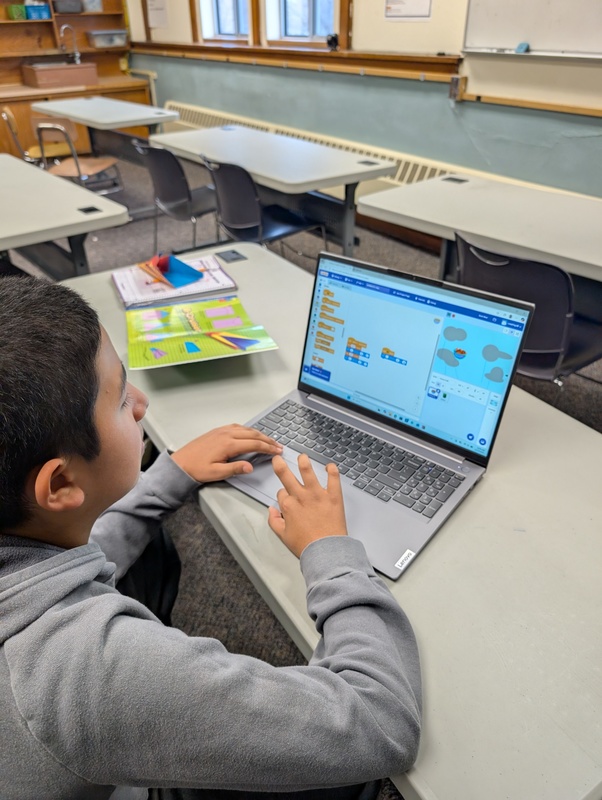
Computer coding–All LEAPlings spend time each year learning computer coding through Scratch–a block-based programming website. LEAPlings learn to code their own animations and video games, among other fun projects. In addition, this year–thanks to funding from the Blue Earth Area Foundation–LEAPlings will be experimenting with Makey Makeys. A Makey Makey is a toy that allows students to turn everyday objects into computer keys and touchpads. By connecting objects like bananas, play-dough, or pencil drawings to a circuit board with alligator clips, students can control computer programs as if they were using a standard keyboard or mouse.
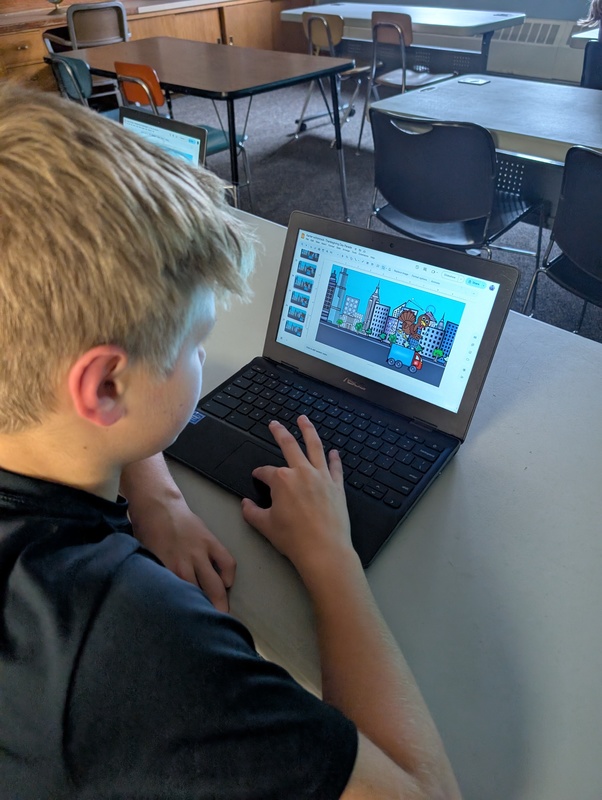
Animation projects result in some of the most exciting and challenging projects for LEAP students. 5th graders create their own Thanksgiving Day Parade using stop motion animation with Google Slides. Last year, we had several students go above and beyond outside of class, resulting in incredible animations that include more than 800 slides!
The animation challenge continues for our 6th & 7th grade LEAPlings with Pixar in a Box, an incredible opportunity to not only get a behind the scenes look at how Pixar artists do their jobs, but also to learn to animate bouncing balls, build a swarm of robots, and make virtual fireworks explode. LEAPlings learn that the subjects they learn in school–math, science, computer science, and humanities–are used everyday to create the amazing movies that Pixar produces.
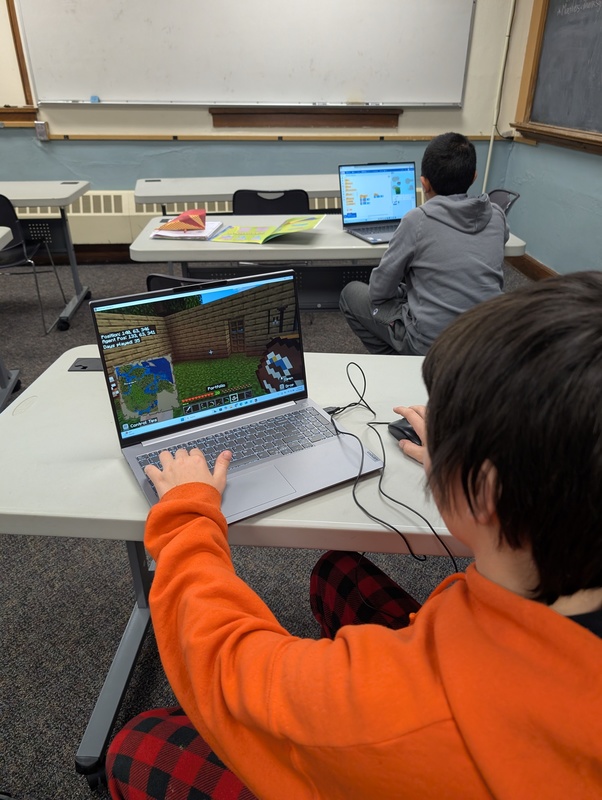
Minecraft for Education is introduced at the 4th grade level, with more challenging lessons added each year as students get older. Minecraft for Education helps students dive into subjects like coding, math, history, and science in a way that’s creative and interactive—it’s a great way to boost motivation and keep students truly engaged. Math becomes a fun challenge–rather than a chore–when students are solving problems and riddles to get out of a Mummy-themed escape room! Learning is even more effective when we combine hands-on learning with a lesson in Minecraft; for instance, we also discuss kinetic and potential energy while designing roller coasters in Minecraft and while playing “Angry Pigs” with a stuffed animal, large exercise band as a sling shot, and a stack of Solo cups in real life! OH–the cheers that go up when a student aims the pig just right and knocks down the pyramid of cups!
At the heart of LEAP is a simple belief: learning should spark curiosity, creativity, and joy. When students are given the chance to explore, experiment, and challenge themselves, they not only grow academically but also develop the confidence to take on new ideas with excitement and persistence. Watching LEAPlings light up with discovery—whether they’re coding a game, solving a problem, or finding their own “aha” moment—reminds us that learning isn’t just about answers; it’s about the adventure of finding them.
Here are some thoughts from a few of our LEAPlings:
Amelia F. (4th grade) : “I like that LEAP challenges our brain to push us to do things that we’re not comfortable with so our brains get stronger.”
Anna H. (5th grade): “What I like about LEAP is that you get to be more challenged. You get to do a bunch of things that you wouldn’t be able to do if you weren’t in LEAP. It’s an enrichment for your brain, and it’s really fun.”